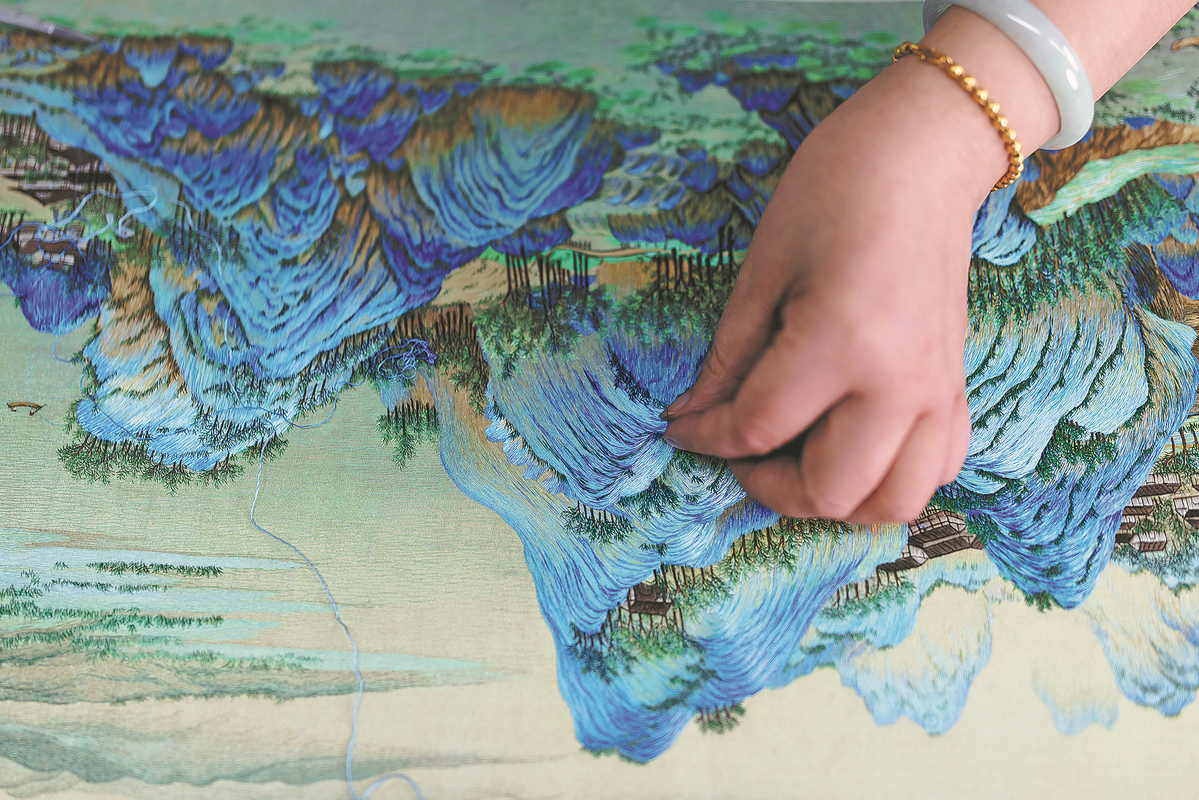
Chinese Embroidery
Introduction
Chinese embroidery is a renowned and intricate art form that has been a vital part of Chinese cultural heritage for thousands of years. It involves the decorative stitching of fabric with threads to create detailed patterns and images, often depicting themes from nature, mythology, or everyday life. This art form is known for its exquisite craftsmanship, vibrant colors, and the deep cultural significance embedded within its motifs. Embroidery is not just a decorative art but also serves as an expression of cultural identity and regional characteristics across China. The practice of embroidery is prevalent in various regions of China, with distinct styles and techniques that reflect the rich diversity of Chinese culture.
History
The history of Chinese embroidery dates back over 2,000 years, making it one of the most enduring and treasured handicrafts in the world. The earliest evidence of embroidery in China was found in archaeological excavations of the Warring States period (475-221 BC) sites. Throughout Chinese history, embroidery has been associated with luxury and prestige. It was highly valued in the imperial courts and among the aristocracy, often used to embellish garments, banners, and household items. The development of silk production in China greatly enhanced the quality and intricacy of embroidery works, as silk threads provide a lustrous and smooth finish.
During the Tang (618-907 AD) and Song (960-1279 AD) dynasties, embroidery flourished as a sophisticated art form, with increasing complexity in design and technique. The Ming (1368-1644) and Qing (1644-1911) dynasties saw further refinement and diversification in embroidery styles, with a notable increase in the use of symbolic motifs that conveyed cultural and auspicious meanings. Today, Chinese embroidery continues to thrive both as a traditional craft preserved by skilled artisans and as a source of inspiration for contemporary designers.
Techniques
Stitching Methods
Chinese embroidery employs a wide variety of stitching methods, each contributing to the unique texture and appearance of the final piece. Some of the most common stitches include the satin stitch, split stitch, chain stitch, and seed stitch. Satin stitch is widely used for its smooth and even texture, ideal for creating large areas of flat color. The split stitch, on the other hand, is used for outlining and adding fine details to a design. Each stitching method requires precision and a steady hand, as the complexity and beauty of embroidery derive from the careful layering and blending of threads.
Advanced techniques involve the use of gradient shading to create depth and dimension, mimicking the effects of painting. Double-sided embroidery, a particularly challenging technique, results in an image visible on both sides of a transparent fabric, with no loose ends. This technique exemplifies the incredible skill and patience demanded by Chinese embroidery.
Tools and Materials
The primary materials used in traditional Chinese embroidery are silk fabric and silk threads, prized for their durability and sheen. The embroidery process begins with the selection of a high-quality silk fabric, which serves as the canvas for the artwork. Silk threads are then chosen for their color and texture, with each thread often being hand-dyed to achieve the desired hue.
Essential tools for embroidery include needles of varying sizes, scissors for cutting threads, and an embroidery frame or hoop to keep the fabric taut while stitching. The choice of tools and materials reflects both the artisan's personal preferences and the specific requirements of the design, contributing to the overall aesthetic of the finished piece.
Regional Styles
Suzhou Embroidery
Suzhou embroidery, originating from Jiangsu province, is renowned for its elegance and precision. It is characterized by elaborate designs, subtle color transitions, and an emphasis on realism. Suzhou embroidery often features scenes of nature, such as flowers, birds, and landscapes, meticulously rendered to capture intricate details. This style is celebrated for its use of double-sided embroidery and is considered a high form of art, with pieces often being displayed in museums and galleries worldwide.
Hunan Embroidery
Hunan embroidery, or Xiang embroidery, hails from Hunan province and is known for its bold colors and dynamic compositions. This style frequently incorporates themes from traditional Chinese folklore and mythology, emphasizing symbolism and cultural narratives. Hunan embroidery excels in its use of contrasting colors to create striking visual contrasts, making it a popular choice for decorative items and clothing.
Guangdong Embroidery
Yue embroidery, also known as Guangdong embroidery, is distinguished by its vibrant patterns and diverse subject matter. Originating from Guangdong province, this style is celebrated for its rich use of color and intricate stitch work. Themes in Guangdong embroidery often include auspicious symbols, such as dragons and phoenixes, as well as everyday scenes that reflect the region's cultural heritage. Guangdong embroidery is known for its adaptability, incorporating both traditional and modern elements.
Sichuan Embroidery
Shu embroidery, from Sichuan province, is recognized for its smooth and delicate stitching. It often features themes of flora and fauna, rendered with a focus on lifelike representation. Shu embroidery is known for its meticulous attention to detail and the use of vibrant, harmonious colors. The style is deeply rooted in the cultural traditions of Sichuan, with a strong emphasis on craftsmanship and artistic expression.
Cultural Significance
Symbolism
Chinese embroidery is rich in symbolism, with motifs that convey cultural values, beliefs, and aspirations. Common symbols include dragons, representing power and strength; phoenixes, symbolizing beauty and grace; and peonies, associated with wealth and prosperity. These symbols are often used to express wishes for good fortune, longevity, and happiness, making embroidered items popular gifts and decorative elements in homes.
Modern Influence
In contemporary times, Chinese embroidery continues to influence fashion and design, with traditional techniques being incorporated into modern apparel and accessories. The fusion of embroidery with Western fashion has resulted in unique and innovative designs that appeal to a global audience. As an art form, Chinese embroidery remains a potent symbol of cultural identity and artistic excellence, inspiring new generations of artists and designers to explore its possibilities.
Preservation and Promotion
Efforts to preserve and promote Chinese embroidery are underway, with initiatives to document traditional techniques, train new artisans, and enhance the market for handcrafted products. Government and cultural organizations support these efforts by organizing exhibitions, workshops, and cultural exchanges that highlight the significance of embroidery as part of China's intangible cultural heritage.
Contemporary Practices
Today, Chinese embroidery is practiced by artisans across the country, often in collaboration with fashion designers and artists who seek to integrate traditional crafts into modern aesthetics. This collaboration has led to the revitalization of embroidery, ensuring its continued relevance and appeal in the contemporary world.








